Sandbox Games vs. Hyper Casual Games: Exploring the Future of Mobile Gaming
The mobile gaming industry is booming, with countless options catering to different player preferences. Among the most popular genres are sandbox games and hyper casual games. This article takes a deep dive into these two distinct styles of gameplay, examining their appeal, gameplay mechanics, and what the future holds for mobile gaming enthusiasts in Hungary and beyond.
What Are Sandbox Games?
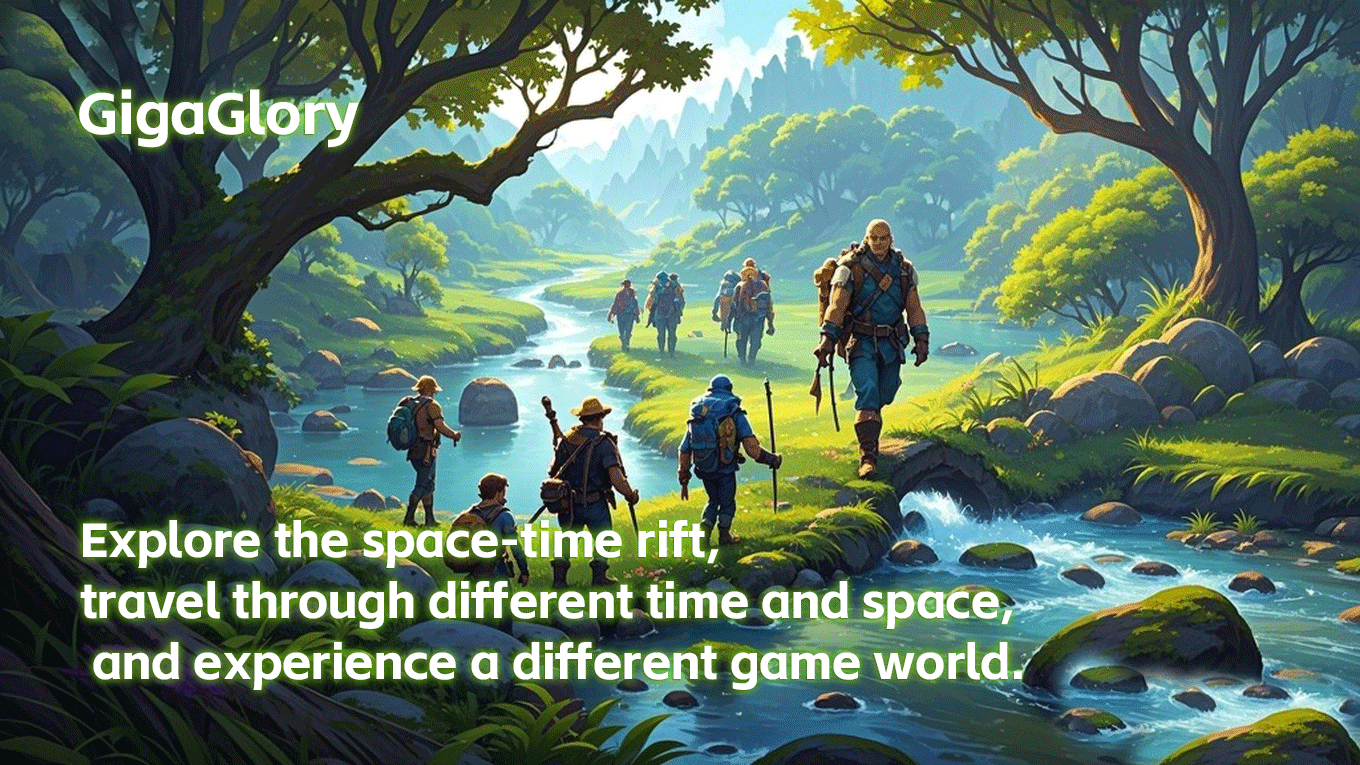
Sandbox games provide players with an open-world experience, offering freedom to explore and create without many restrictions. Titles like Minecraft and Terraria exemplify this genre, encouraging creativity and experimentation. Players can build their virtual worlds, craft tools, and interact with others in a shared space. The beauty of sandbox games lies in their endless possibilities.
Defining Hyper Casual Games
Hyper casual games, on the other hand, are all about simplicity and quick playtime. These games are designed for players seeking instant gratification with minimal commitment. The appeal lies in their easy-to-understand mechanics, minimalistic design, and short gameplay sessions. Titles like "Helix Jump" or "Flappy Bird" exemplify the genre, often featuring one-tap controls and rapidly addictive mechanics.
Key Differences Between the Two Genres
| Sandbox Games | Hyper Casual Games | |
|---|---|---|
| Playtime | Long Sessions | Short Sessions |
| Complexity | High | Low |
| Creativity | Encouraged | Minimal |
| Monetization | Varied | Ads/In-App Purchases |
Why Are Sandbox Games So Popular?
Players are drawn to the sandbox genre because it allows for self-expression and creativity. With games like Koala Kingdom Puzzle gaining popularity, players enjoy raw exploration and the freedom to create their own adventures. Players can dedicate hours to conquering challenges and building intricate structures, which keeps them deeply engaged.
Hyper Casual Games: Quick Fun for Everyone
The appeal of hyper casual games is their accessibility. Players can casually pick up games during a commute or during their lunch breaks. The absence of complex mechanics lowers the barrier to entry, making it easy for anyone to start playing. Games are often designed to be free, capitalizing on ads and in-app purchases instead.
Examples of Popular Hyper Casual Games
- Helix Jump
- Flappy Bird
- Paper.io
- Color Switch
The Role of Game Accessibility
Since the development of smartphones, mobile gaming has surged in popularity. Accessibility is a critical factor driving players towards hyper casual games. This genre is designed for quick play and often connects people through social media, further broadening player networks.
Player Preferences: A Study in Variety
Players in Hungary exhibit varied preferences between sandbox games and hyper casual games. While some players enjoy the freedom and creativity a sandbox offers, others find satisfaction in the quick and engaging nature of hyper casual options. Understanding player preferences can shape future developments in mobile gaming.
Player Preference Insights
- Age Groups: Younger players tend to lean towards hyper casual games, while older audiences might prefer sandbox games.
- Play Style: Creative players appreciate the freedom a sandbox provides, while competitive players enjoy the challenges of hyper casual titles.
Future Trends in Mobile Gaming
As the mobile gaming landscape evolves, both **sandbox** and **hyper casual games** are set for growth. Innovations in technology, such as augmented reality (AR) and virtual reality (VR), could reshape how developers approach these genres. Gamers can anticipate more immersive environments and interconnected gameplay experiences.
Exciting Innovations to Watch For
New technologies are on the horizon that could merge these two gaming styles, allowing for unique hybrid experiences. Below are potential developments to watch:
- AR Integration: Mixing real-world elements into sandbox gameplay.
- Social Features: Enhancing competition and collaboration in hyper casual titles.
- Advanced AI: Creating dynamic sandbox environments that react to player actions.
Conclusion
The mobile gaming industry has room for both sandbox and hyper casual games. Players have diverse preferences, and the genre they lean towards often stems from their gaming lifestyle. As technology continues to advance, it opens up exciting possibilities that could transform how these genres evolve in the future. For passionate gamers in Hungary and beyond, maintaining an eye on these trends will help navigate the twists and turns of mobile gaming.
FAQs
1. What are the main attributes of sandbox games?
Sandbox games are characterized by open-world environments, creative freedom, and opportunities for exploration and crafting. Players can engage in endless activities within the game.
2. Why do people prefer hyper casual games?
People favor hyper casual games for their simplicity, easy mechanics, and quick satisfaction, making them perfect for short play sessions during daily routines.
3. Are sandbox games more time-consuming than hyper casual games?
Yes, sandbox games typically require more time investment, whereas hyper casual games are designed for rapid gameplay experiences.