Why Business Simulation Games Are the New Frontier in Browser Games
The Rise of Browser Games: A Brief Overview
In recent years, browser games have seen a massive surge in popularity. With advancements in technology and player engagement, the landscape has changed dramatically. Among these, business simulation games stand out, offering a unique blend of strategy, management, and entertainment. They captivate players by mimicking real-world business challenges. Let's dive deep into why this genre has become a favorite.
Key Features of Business Simulation Games
- Strategic Planning: Players must devise strategies to grow their virtual businesses.
- Resource Management: Effective management of resources is essential for success.
- Real-Time Challenges: Games reflect real-time market conditions, adding an immersive experience.
- User Engagement: Interactive gameplay keeps players coming back for more.
Top Examples of Business Simulation Games
| Game Title | Description | Rating |
|---|---|---|
| SimCity | Build and manage your own city. | 4.5/5 |
| RollerCoaster Tycoon | Create amusement parks and manage finances. | 4.7/5 |
| Clash of Clans 2 | Strategize and battle while managing resources. | 4.6/5 |
Why Are Business Simulation Games So Engaging?

One reason behind the popularity of these games is their ability to engage the player on multiple levels. Players find themselves not just as gamers but as business owners. They face decisions that mirror those in the business world, making every game session feel real and impactful.
Business Simulation Games vs. Other Genres

While first-person shooters and role-playing games attract large audiences, business simulation games provide a different flavor. They challenge players intellectually and encourage critical thinking, a stark contrast to the more action-oriented genres. This shift has gained traction among players seeking more than just superficial entertainment.
Best NES RPG Games to Explore

Before diving back into business simulations, let’s not forget the beloved classics like Final Fantasy, Chrono Trigger, and others that shaped the RPG genre. They set the groundwork for storytelling and gameplay mechanics that many business simulations would later adopt.
The Ideal Audience for Business Simulation Games

Who plays these games? Surprisingly, the demographics are diverse. From young teenagers to seasoned professionals, the appeal crosses ages and backgrounds. Players looking for strategy, problem-solving, or even a touch of creativity are often drawn in. What makes this genre perfect for everyone is its accessibility and the practical skills it develops.
Economic Principles in Business Simulation Games
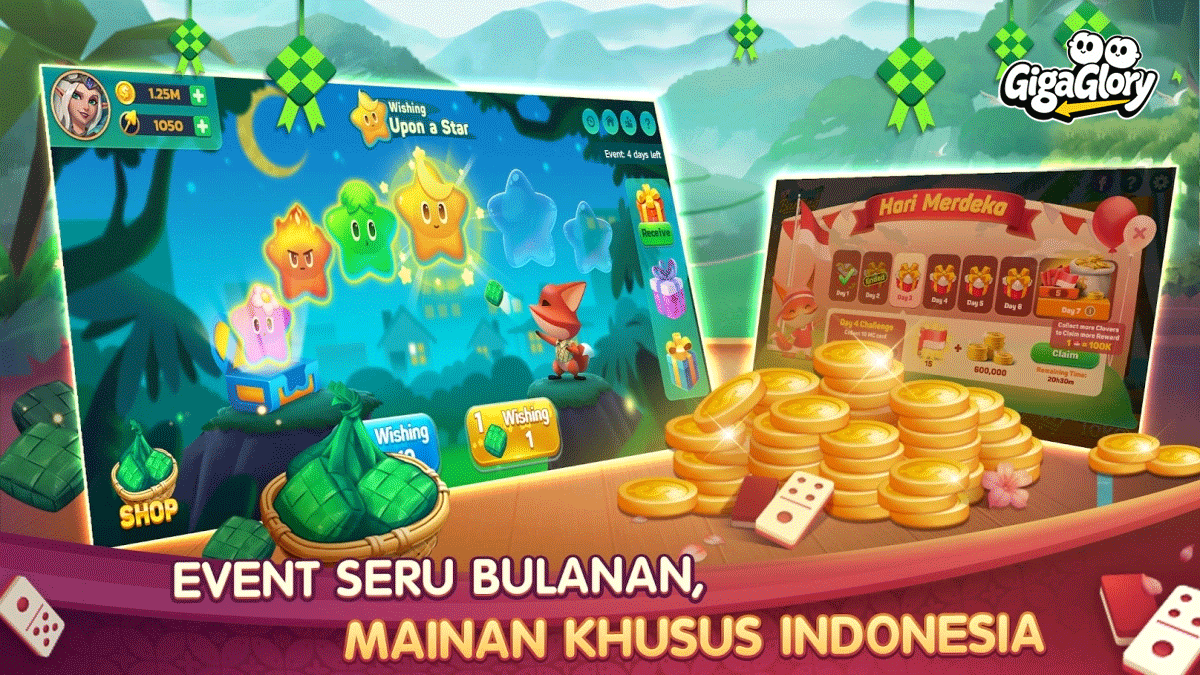
These games introduce players to key economic concepts like supply and demand, market competition, and resource allocation. Players not only have fun but also gain insights that can be applied in real life. As they navigate challenges, they reinforce their understanding of pivotal business principles.
Social Interaction and Multiplayer Options

Many business simulation games integrate social aspects, allowing players to collaborate or compete with one another. This element fosters community building and enhances player engagement through interaction. Players share strategies, tips, and experiences, enriching the overall gaming experience.
Future Trends in Browser Games

Looking ahead, business simulation games are poised for transformation. With the rise of Augmented Reality (AR) and Virtual Reality (VR), expect more immersive experiences that blur the line between gaming and reality. Imagine experiencing a simulated market in a VR world, where your strategies come to life like never before!
Developing Skills Through Gaming

Playing business simulation games isn’t just about fun; it's an educational adventure. Players develop skills such as:
- Critical thinking
- Decision-making
- Strategic planning
- Time management
- Financial literacy
Challenges and Criticisms of Business Simulation Games

While the genre has its supporters, it’s not without challenges. Some critics argue that these games oversimplify real-life business complexities. Others worry that they might promote materialism in players. Nevertheless, the positives often overshadow these concerns, with many players highlighting personal growth and skill enhancement.
User Experience: The Interface Matters

A critical component of any browser game is its user interface. For business simulation games, a clean, intuitive interface is paramount. Players should be able to navigate menus easily, understand gameplay mechanics, and enjoy immersive graphics that don't detract from the gameplay experience.
Case Studies: Success Stories in Business Simulation Gaming

Several business simulation games have achieved a cult following, demonstrating the potential success of this genre. Titles like Factorio and Cities: Skylines turned into hits, illustrating that when done right, business simulations can appeal to even the most skeptical gamers.
Conclusion: The Future Is Bright for Business Simulation Games

In summary, business simulation games are not just another trendy pastime—they represent a revolutionary shift in the browser gaming landscape. They entertain while educating, providing players with valuable skills that transcend the screen. As technology advances and developers innovate, we can only anticipate an even more exciting future for this genre.
FAQs
What are browser games?

Browser games are video games that can be played online using a web browser, often without the need for additional software.
Why are business simulation games popular?

They combine strategy, real-world decision-making, and engaging gameplay, appealing to a wide audience.
How do business simulation games help with real-life skills?
These games teach critical thinking, strategic planning, and resource management, skills that are valuable in real-life business scenarios.