Why Casual Games are the Future of Indie Game Development
In the world of gaming, one genre stands out as a beacon for aspiring developers: casual games. The allure of these games lies in their accessibility, simplicity, and the joy they provide to a wide audience. When considering the landscape of indie game development, casual games present fantastic opportunities that shouldn't be overlooked.
Understanding Casual Games
Casual games are designed to be easy to learn and play, allowing players of all skill levels to engage. Whether it’s a quick match-three puzzle game or a lighthearted simulation, casual games prioritize fun over complexity. These games often feature:
- Short play sessions
- Engaging aesthetics
- Simple controls
- Instant gratification
The Rise of Indie Games

Indie games have transformed the gaming landscape. With lower development costs and the rise of distribution platforms like Steam and the App Store, indie artists have the freedom to explore unique ideas. The indie scene is all about creativity and pushing boundaries, and casual games fit perfectly into this ethos.
Accessibility as a Key Factor
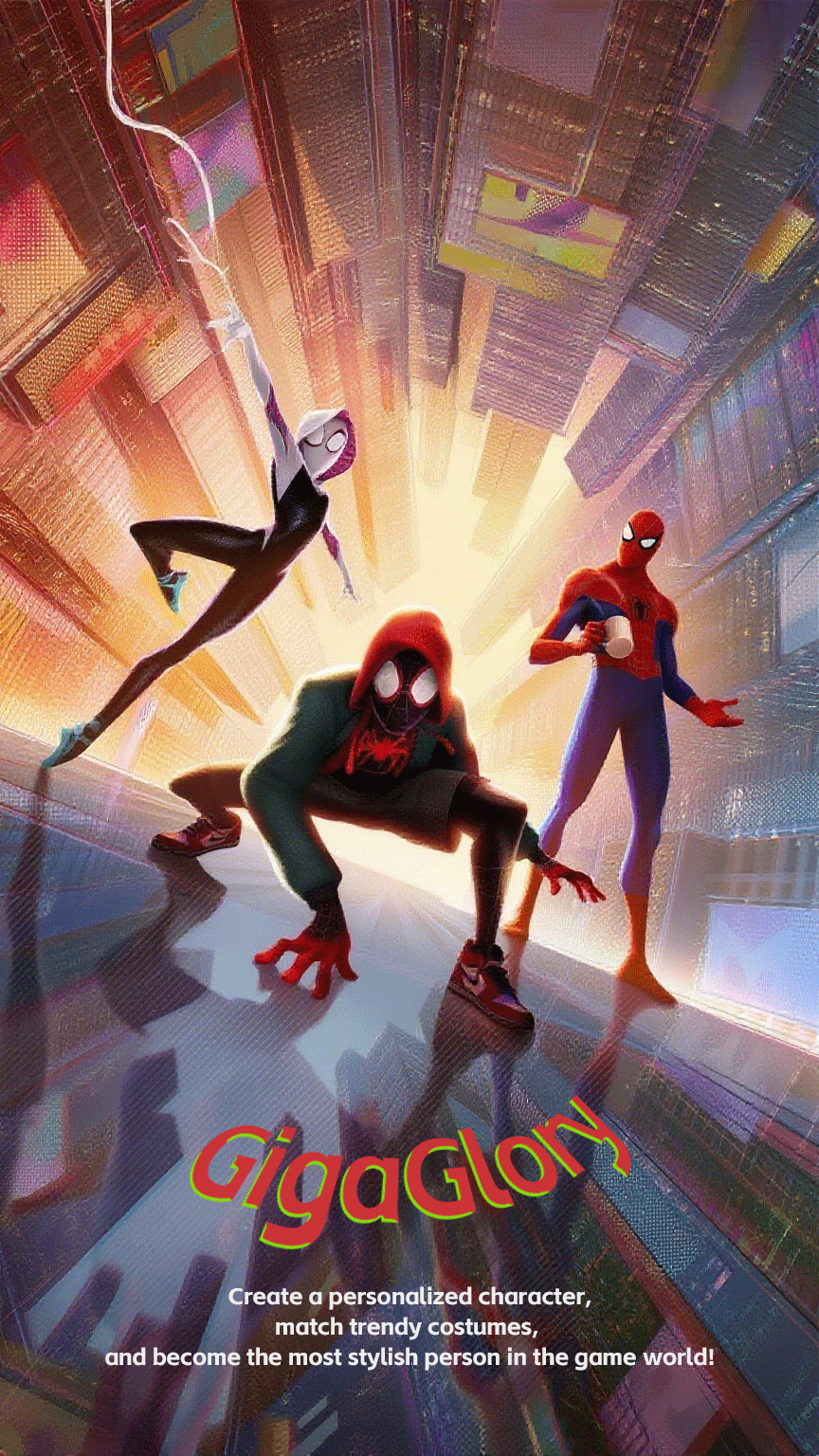
One of the biggest advantages of casual games, especially for indie developers, is their accessibility. Unlike complex RPGs or AAA titles that require a significant time investment, casual games can be played in short bursts. This creates a low barrier to entry, allowing a broader audience to engage. As more players embrace gaming, this accessibility only becomes more important.
Popular Examples in Casual Gaming
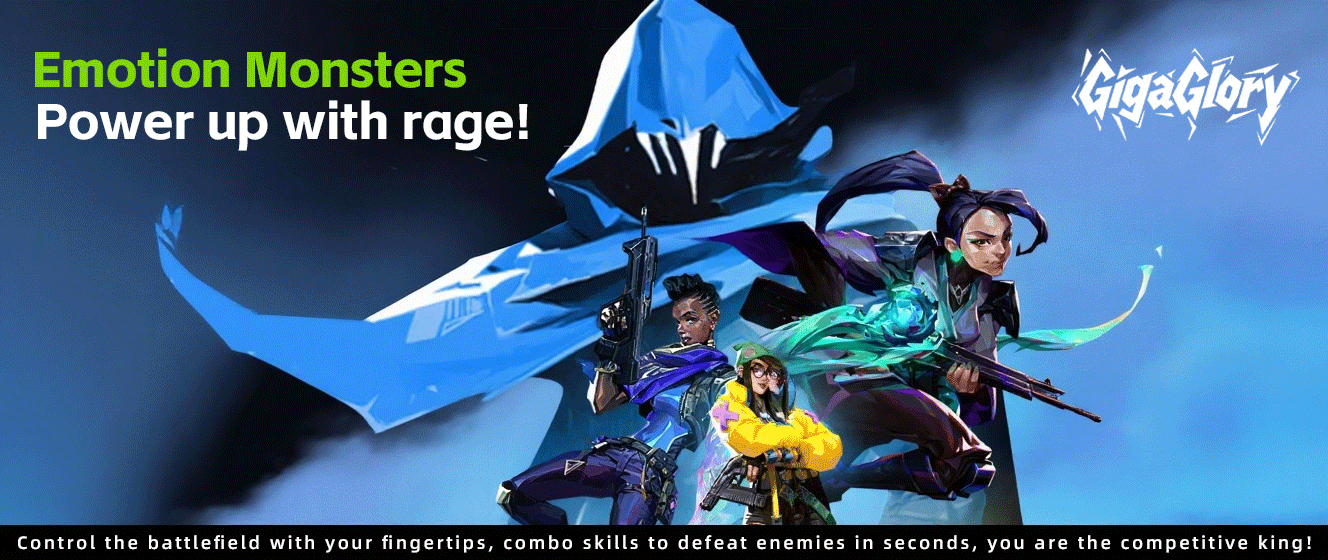
Many casual games have not only captured the hearts of players but have also generated considerable profits for their developers. Some shining examples include:
| Game Title | Developer | Release Year | Platform |
|---|---|---|---|
| Disney Magic Kingdom | Gameloft | 2015 | Mobile |
| Angry Birds | Rovio | 2009 | Mobile |
| FarmVille | Zynga | 2009 | Web/Mobile |
The Emotional Connection
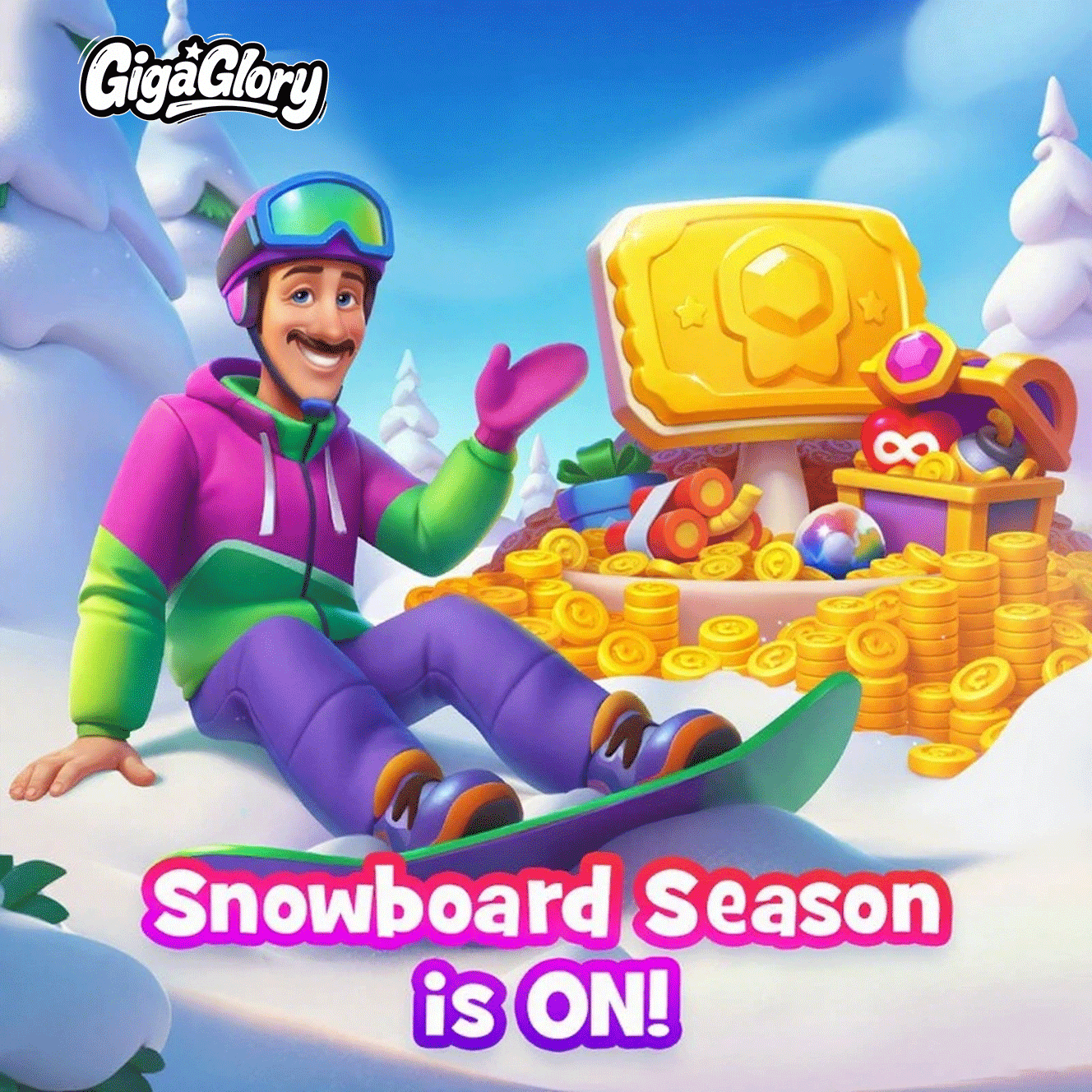
Casual games often evoke strong emotions, whether it's the satisfaction of completing a level or the thrill of unlocking a new character. This emotional connection helps build a loyal player base, which is crucial for indie developers trying to carve out their niche in the industry.
Leveraging Social Features
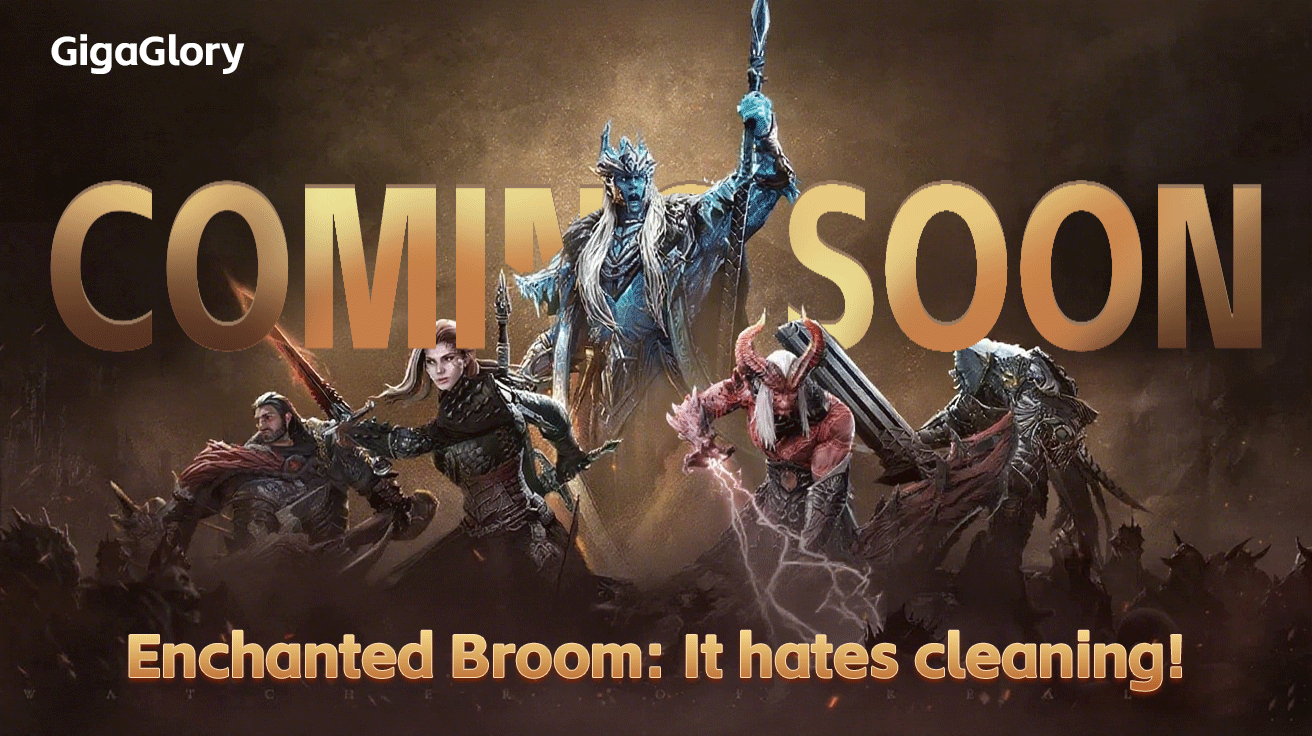
Social connectivity is another pillar of casual gaming. Integrating social features, such as leaderboards or sharing achievements on platforms like Facebook, can significantly enhance user engagement. Players love to share their triumphs, and this communal aspect can serve as an organic marketing tool.
What Makes Casual Games Shareable?
- Fun graphics and themes
- Challenging yet surmountable gameplay
- Rewards systems
- Social challenges
Future Prospects for Indie Developers
As the gaming market continues to grow and diversify, one thing becomes abundantly clear—casual games are paving the way for the future of indie game development. The potential for profitability and community engagement in this genre cannot be overstated.
Challenges Faced by Indie Developers
Yet, success in the casual gaming sector isn't without its hurdles. Indie developers often encounter:
- Limited funding
- High competition
- Marketing challenges
- Staying updated with trends
Strategies for Success

For indie developers looking to succeed in casual gaming, consider the following strategies:
- Create a unique art style to distinguish your game.
- Implement engaging and varied gameplay mechanics.
- Utilize social media for marketing and community building.
- Offer regular updates to keep players coming back.
The Ecosystem of Casual Games

The ecosystem of casual gaming consists of developers, players, and platforms. Each plays a vital role in ensuring the longevity and relevance of casual games within the market.
FAQs about Casual Games and Indie Development
What defines a casual game?
A casual game is typically defined by its simple gameplay, short play sessions, and appeal to a broad audience.
Can indie developers compete with big studios?
Absolutely, indie developers can thrive by focusing on niche markets and unique game concepts that resonate with players.
How do I promote my casual game?
Utilize social media, engage in community platforms, and offer exclusive content to create buzz about your game.
Embracing Trends: The Impact of Mobile Gaming
As mobile gaming continues to surge, the potential for casual games to reach even larger audiences becomes increasingly appealing. Casual games such as Disney Magic Kingdom are leading this mobile charge. Their accessibility, low cost of entry, and ability to provide entertainment on-the-go are key drivers of their popularity.
The Global Reach of Casual Games

With the internet connecting players worldwide, casual games can find audiences beyond borders. Indie developers can tap into markets they never thought possible. The cultural adaptability of casual games makes this genre truly global!
Conclusion: The Bright Future Ahead
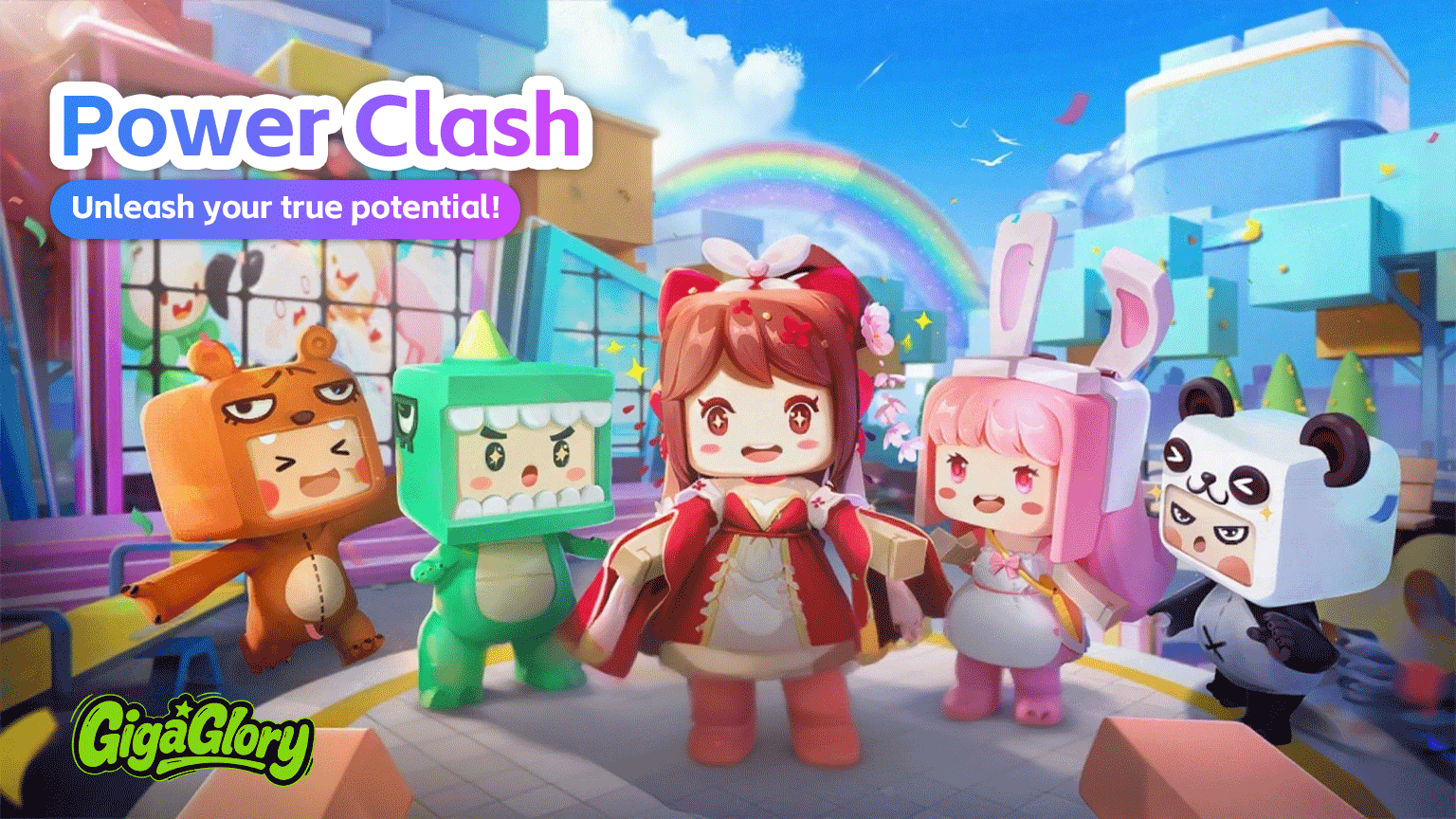
In conclusion, casual games are not just a passing trend; they symbolize the future of indie game development. Their simplicity, emotional connections, and social engagement create a perfect storm for developers aiming to make their mark. As we enter a new era of gaming, the indie scene will undoubtedly thrive under the colorful umbrella of casual gaming—entertaining players and inspiring developers alike.