Why MMORPGs Are the Future of Multiplayer Games: A Deep Dive into the Evolution and Impact
As technology evolves, so do the ways in which we interact with one another. One genre that stands out in the gaming world is the MMORPG (Massively Multiplayer Online Role-Playing Game). This genre has not only captured the hearts of gamers but has become a blueprint for future multiplayer games. Below is a detailed examination of this evolution, its significance, and what it means for the future.
The Rise of MMORPGs
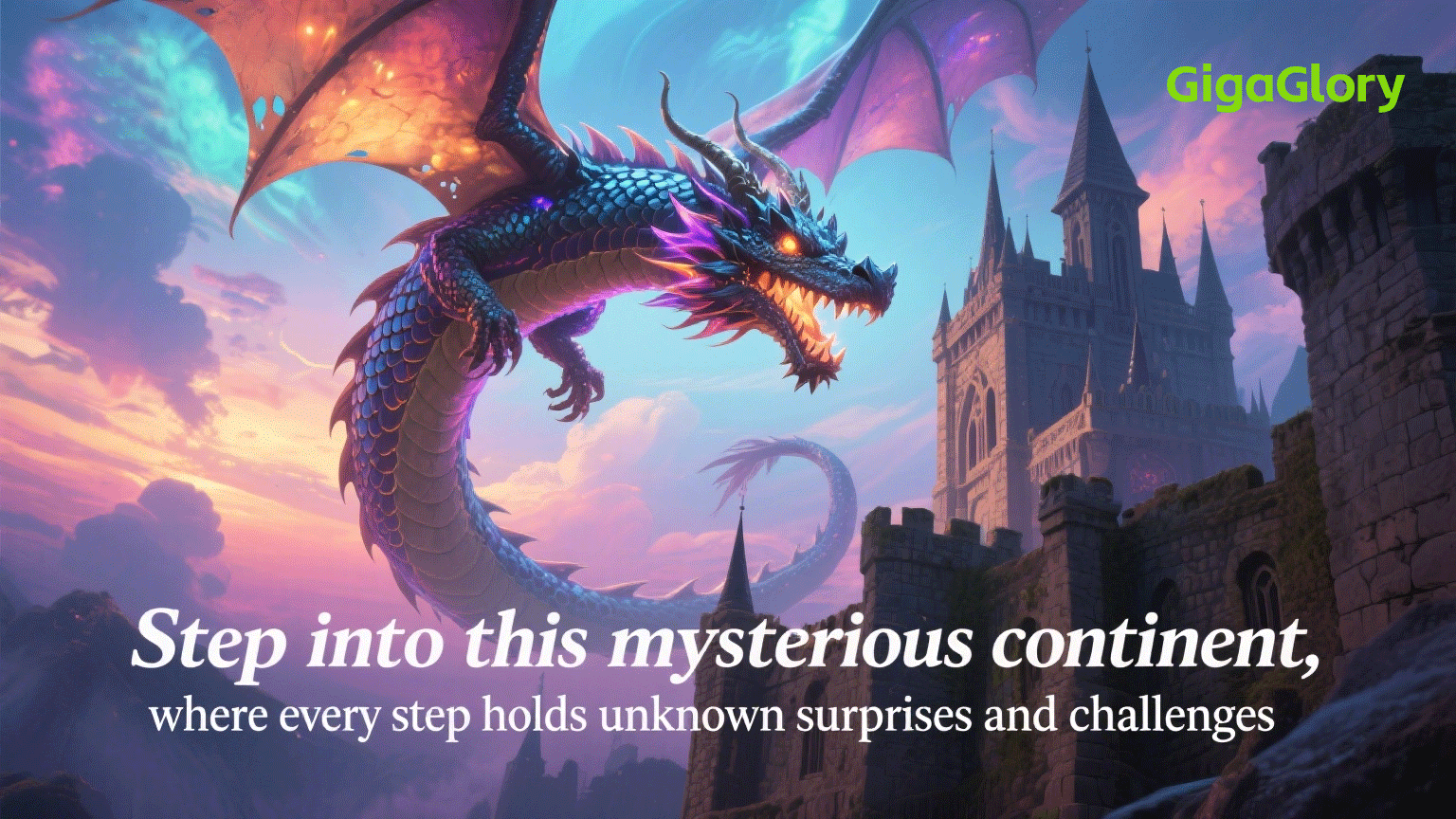
MMORPGs have seen a meteoric rise since the early 1990s. Games like World of Warcraft and Final Fantasy XIV paved the way for immersive gaming experiences. With vast worlds to explore and countless players to meet, it’s easy to understand why they have such enduring popularity.
The beauty of MMORPGs lies in their ability to foster community. Unlike traditional multiplayer games, MMORPGs allow players to interact, trade, and strategize together in real-time within expansive environments. This evolution represents a cultural shift in gaming—a move from isolated play to a collective experience.
Key Features of MMORPGs
What sets MMORPGs apart from other multiplayer games? Let’s look into some essential characteristics:
- Persistent Worlds: These games offer a continuous environment that does not reset. Players can return to their "home" world, which evolves even in their absence.
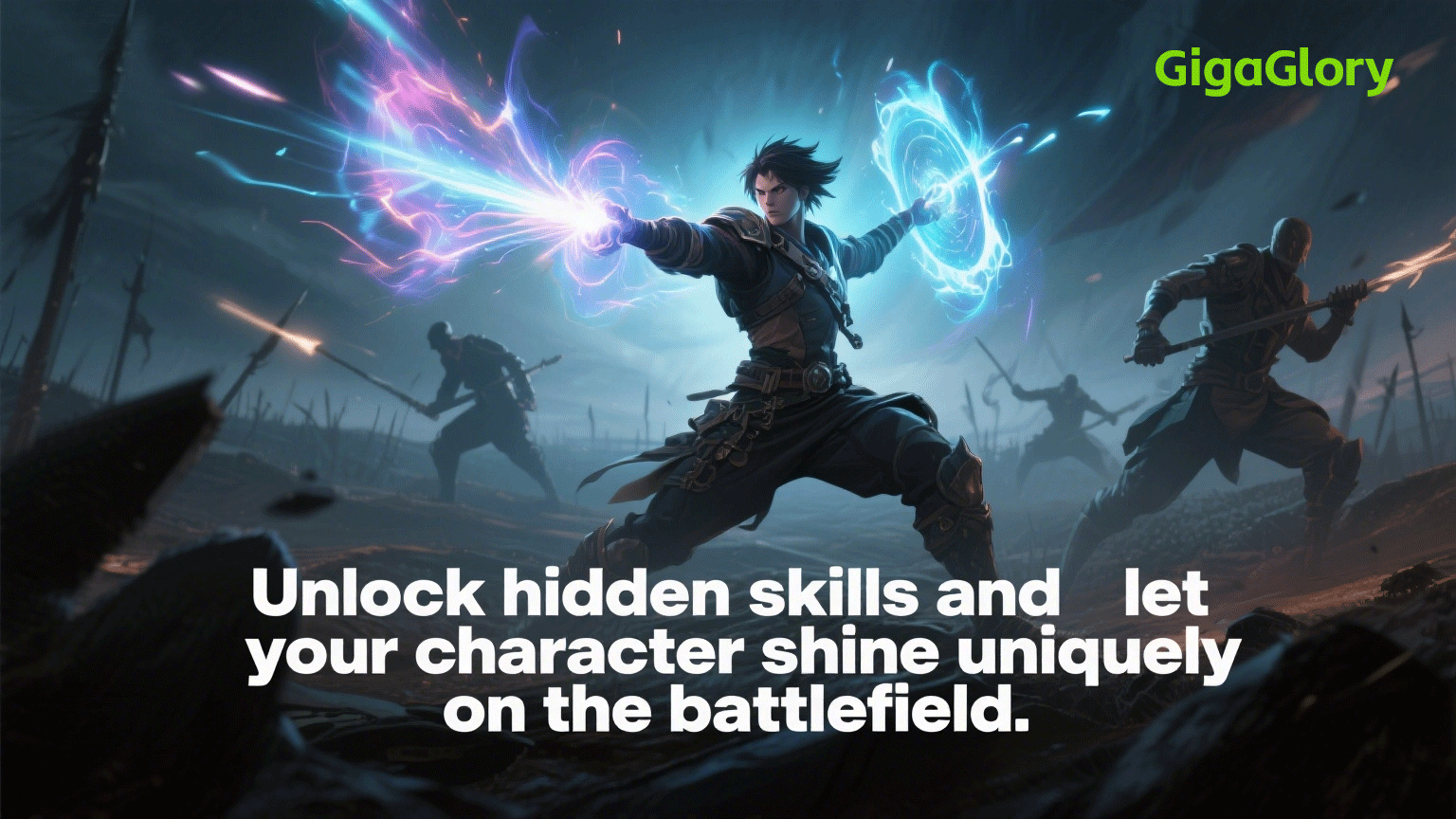
- Character Customization: Players invest time in creating unique characters, which enhances personal attachment to the game.
- Crafting Systems: Many MMORPGs include complex crafting systems that allow players to create items, providing satisfaction and opportunities for trade.
- Guilds and Communities: The formation of guilds or clans creates a strong sense of belonging and shared purpose within games.
The Impact of MMORPGs on Gaming Culture
MMORPGs have reshaped how we view gaming. It's no longer just a solitary pastime—it's a social activity. The ability to collaborate in quests and share in victories or defeats makes for unforgettable experiences. In fact, many friendships and relationships have spawned from MMORPGs. These games allow people from different countries, including Azerbaijan, to connect and share their gaming experiences.
| MMORPG Title | Release Year | Notable Features |
|---|---|---|
| World of Warcraft | 2004 | Persistent world, extensive lore |
| Final Fantasy XIV | 2010 | Strong narrative, character customization |
| Elder Scrolls Online | 2014 | Rich graphics, immersive lore |
Challenges Facing MMORPGs
Despite their popularity, MMORPGs aren't without challenges. Issues such as server stability, player toxicity, and balance between pay-to-win mechanics and fair play continue to threaten their longevity. Developers face a balancing act: keeping the game engaging while also maintaining player satisfaction.
Many developers are now focusing on a more community-driven approach, seeking direct feedback from players to create updates that genuinely enhance gameplay. The gaming landscape is constantly changing, and it’s crucial for MMORPGs to adapt accordingly.
Future Trends in MMORPGs
Looking ahead, there are several trends likely to shape the future of MMORPGs:
- Integration of AI: As AI continues to develop, it may play an increasingly prominent role in NPC behaviors, creating a more lifelike experience.
- Cross-Platform Play: The development of games that allow players from different platforms (PC, consoles, mobile) to engage together could widen game audiences.
- Enhanced VR Experiences: With virtual reality technology advancing, MMORPGs could further immerse players in their worlds.
The Connection to Other Multiplayer Games
While MMORPGs are a dominant force, they share the stage with other multiplayer genres. Games like Clash of Clans, despite being fundamentally different, have incorporated elements of strategy and teamwork that are hallmarks of MMORPGs. The strategic depth of Clash of Clans, particularly at higher levels, draws parallels with the complexity found in MMORPGs.
It's fascinating to see how the principles of community, strategy, and engagement seep into various game types, ensuring that multiplayer experiences continue to evolve.
Conclusion
MMORPGs represent the future of multiplayer gaming with their rich community interactions, vast worlds, and complex gameplay mechanisms. As they continue to evolve, these games will face challenges but will also discover new opportunities for growth. Whether through the integration of new technologies, expanding worlds, or deeper social connections, the MMORPG genre promises an exciting future for gamers everywhere.
FAQs
What is an MMORPG?
An MMORPG, or Massively Multiplayer Online Role-Playing Game, is an online game that allows large numbers of players to interact in a virtual environment.
What distinguishes MMORPGs from traditional multiplayer games?
MMORPGs feature persistent worlds and allow for extensive character customization, community building, and strategic cooperation, unlike traditional multiplayer games that may focus solely on competitive gameplay.
Are there any risks associated with playing MMORPGs?
Like any online community, MMORPGs can have risks, including toxic behavior among players, reliance on in-game purchases, and potential addiction.
As we embrace the ever-changing landscape of gaming, MMORPGs will continue to play a pivotal role in shaping the future of multiplayer experiences.